Where Minor Works came from
The Minor Works Program grew out of long‑term, place‑based practice at The Pear and QT Neighbourhood Nodes.
For many years, we supported everyday community activity in our neighbourhood:
- casual conversations over coffee
- shared meals and informal gatherings
- ideas moving through conversations
- people discovering they had skills worth sharing
- relationships forming before projects ever did
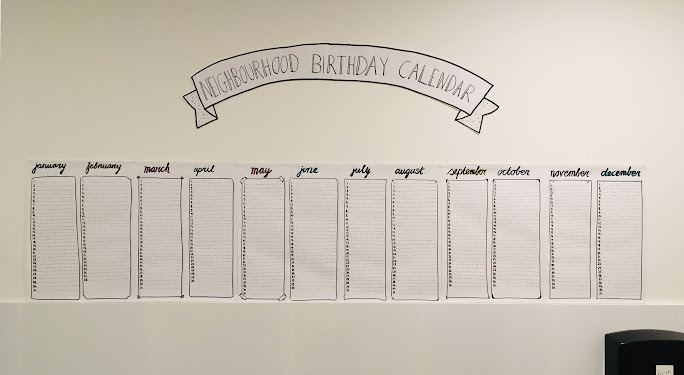
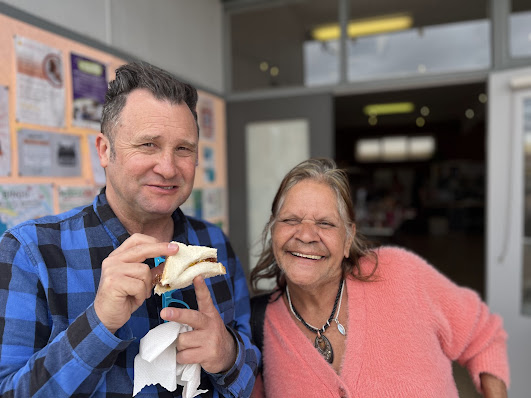
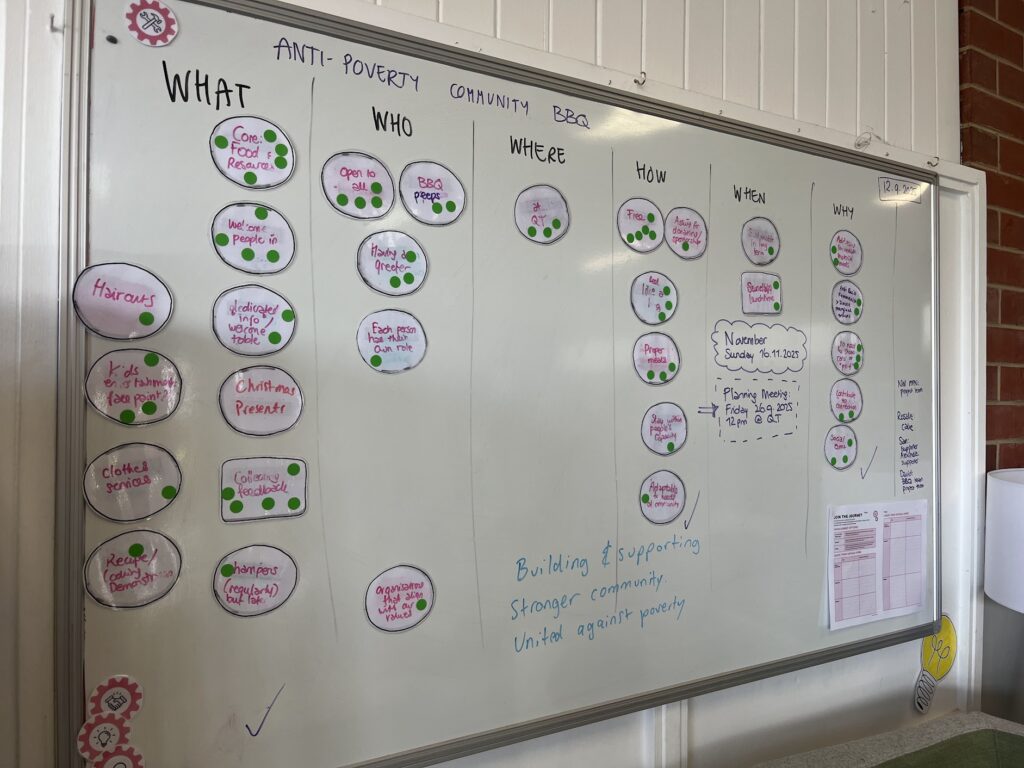
We facilitated a wide range of accessible, everyday ways for people to contribute and participate in their local area.
Others often described what we were doing as a ‘great local project’, suggesting that it was something that works in our neighbourhood but wouldn’t translate elsewhere.
We think otherwise.
What became clear to us was that the biggest impact wasn’t just what people were doing in our neighbourhood.
It was how it was done, and what people’s participation made possible.
People engaged because the conditions were right and they could see a place for themselves within it. We were creating a participatory ecosystem where:
- people were trusted
- their lived experience was treated as expertise
- the scale felt manageable
- the process was transparent, flexible, welcoming and supportive
- it felt good to participate!
The Minor Works Program was developed to make this way of working visible, shareable, and adaptable across different contexts. It does not aim to replicate outcomes, but to support others to create the conditions for participation in their own places.
Why Minor Works Matters
Strong, fair neighbourhoods don’t just happen. They grow when people can take part in shaping the places they live.
That kind of participation is where change begins. Not just showing up, but stepping in. Contributing something real. Helping shape what happens next.
When people are able to participate in this way, things start to shift. Confidence grows. Relationships form. Trust builds. Ideas move from being talked about to being tried.
When Minor Works focuses on participation as something we build, its impact goes far beyond individual projects. It changes what’s possible for people and for neighbourhoods.
Over time, participation builds on itself. People feel more connected. That connection supports confidence. Confidence makes it easier to take part again. People stop feeling alone and start seeing themselves as part of a community that can act together.
These benefits don’t disappear when a project ends. They stay with people and within neighbourhoods. We think of this growing social value as Socialannuation: the confidence, relationships, and trust that build over time.
This matters most for people who want to take part but find it hard. Things can feel complicated, intimidating, or out of reach.
By keeping things small, flexible, and people-led, Minor Works lowers barriers and makes participation easier to step into.
The result isn’t just a series of projects. It’s a neighbourhood where people feel capable, working together feels normal, and shared activity becomes part of everyday life.
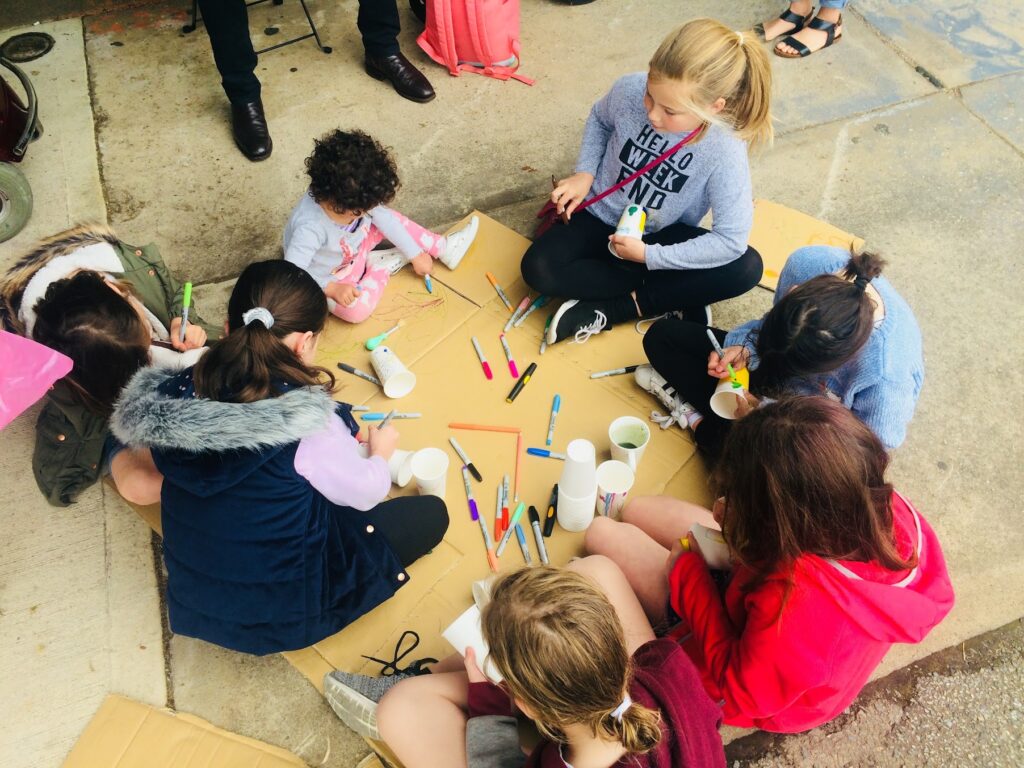
Because participation works this way – by strengthening relationships, trust, confidence, and collective action – this way of working has implications beyond any one street, suburb, or project. It points towards a model other places can adapt, helping more communities build participatory life that supports connection, wellbeing, and shared problem-solving.
This is why Minor Works exists: to create the conditions where people, ideas, and communities can flourish together. This is not a ‘nice to have’, it is essential for connected, more caring, and more just neighbourhoods.
To learn more about the importance and impact of participation, check out this recent article by The Good Shift (2026).
Why it’s called ‘Minor Works’
The name Minor Works is deliberate.
In many systems, ‘minor’ suggests something small or less important. Here, it refers to scale, not value.
The Minor Works Program prioritises:
- small‑scale actions that feel achievable
- low‑barrier and flexible entry points to participation
- ideas that can be tested, adapted, and grown
- progress without needing complex approvals
- process over outcomes
Keeping things small makes participation more accessible. When people can begin without needing to be experts, confident leaders, or professionals, more people step in and participation grows.
These works may be minor in size, but they are major in effect.