What the Minor Works Program does
The Minor Works Program is a neighbourhood program designed to turn local ideas into action while strengthening participation as the foundation for thriving communities.
The program functions like scaffolding, creating conditions where people can step in, contribute, and work together. It creates a participatory environment where projects can be imagined, shaped, and delivered by the people who care about them.
The Minor Works Program doesn’t run projects. Local people do.
But the program doesn’t just help people do projects together. The program aims to build lasting capability, trust, and connection. It is there at the start, visible and supportive. Over time, as confidence and capability grow, the program becomes less central and communities take charge.
How does it work?
Minor Works operates through a simple, repeatable structure that supports ideas from first spark through to action and celebration.
The process enables people to:
- bring ideas forward
- shape them with others
- start doing them in the real world
- learn what works and what doesn’t
- connect with others doing similar things
Supporting this process are Project Guides.
Project Guides provide the human support that makes participation feel possible. They help hold the process, not control it. They offer practical guidance, inclusive facilitation, and steady encouragement as ideas take shape.
They are trained volunteers in project support that is safe and accessible for community, and in facilitation that invites participation, values lived experience, and makes it easier for different voices to be heard.
Their role is not to lead projects, but to support people to lead together.
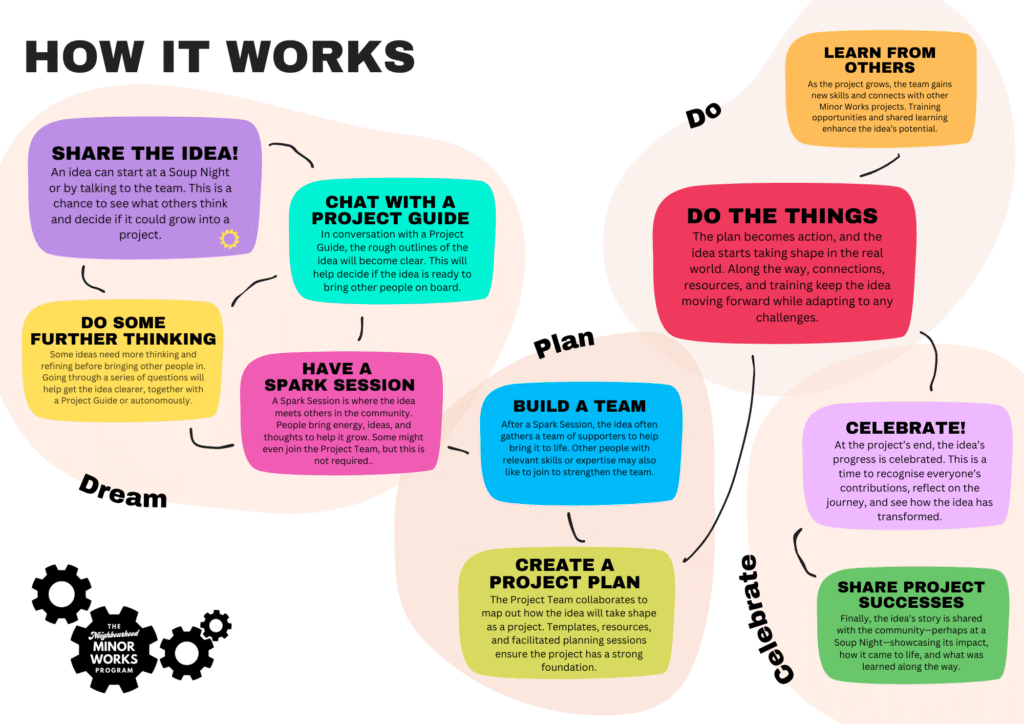
A closer look at the Minor Works structure
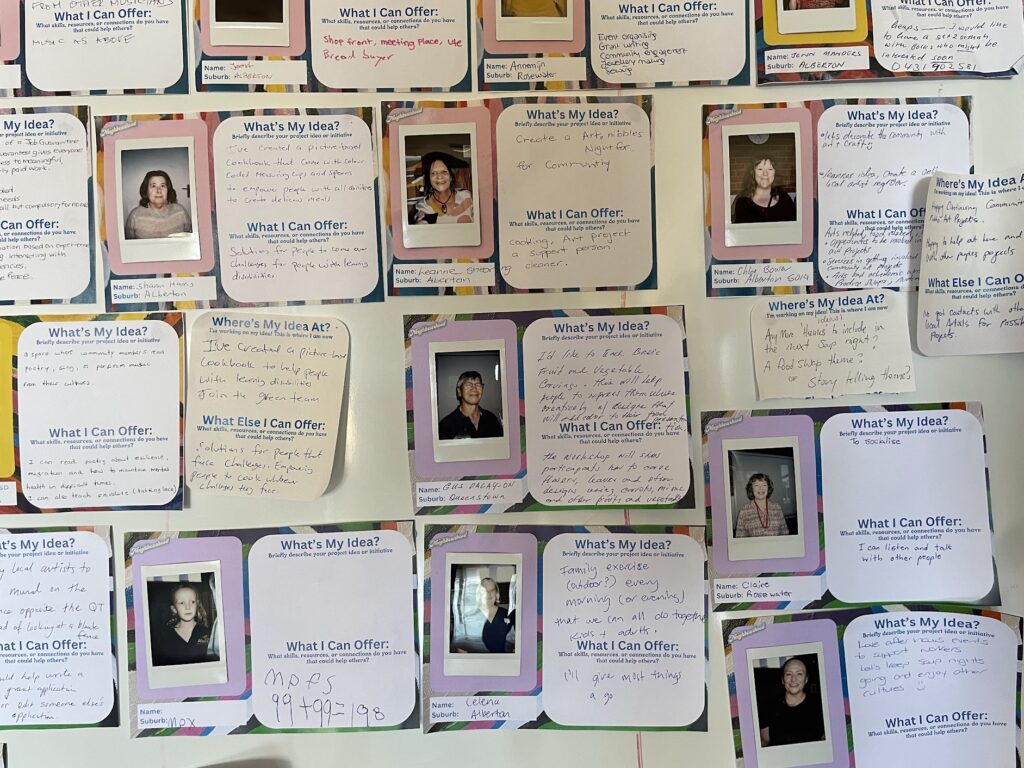
Ideas emerge locally
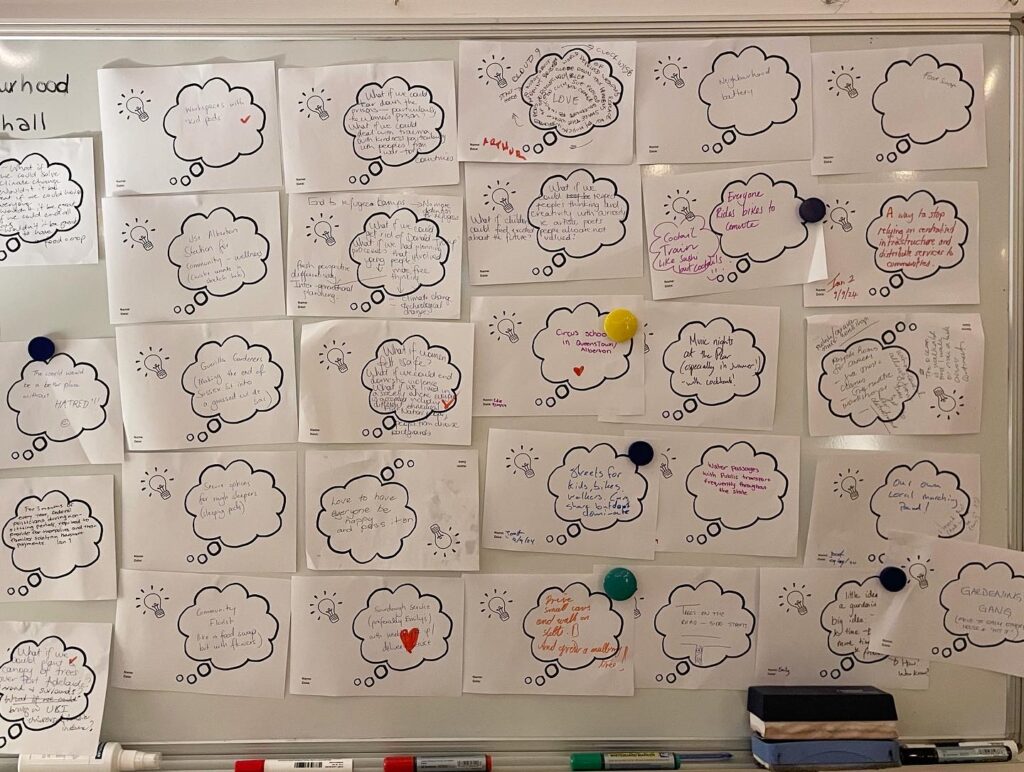
The Minor Works Program begins with ideas that come from everyday experiences of neighbourhood life. These ideas are often small in scale and practical in nature, but meaningful to the people who raise them.
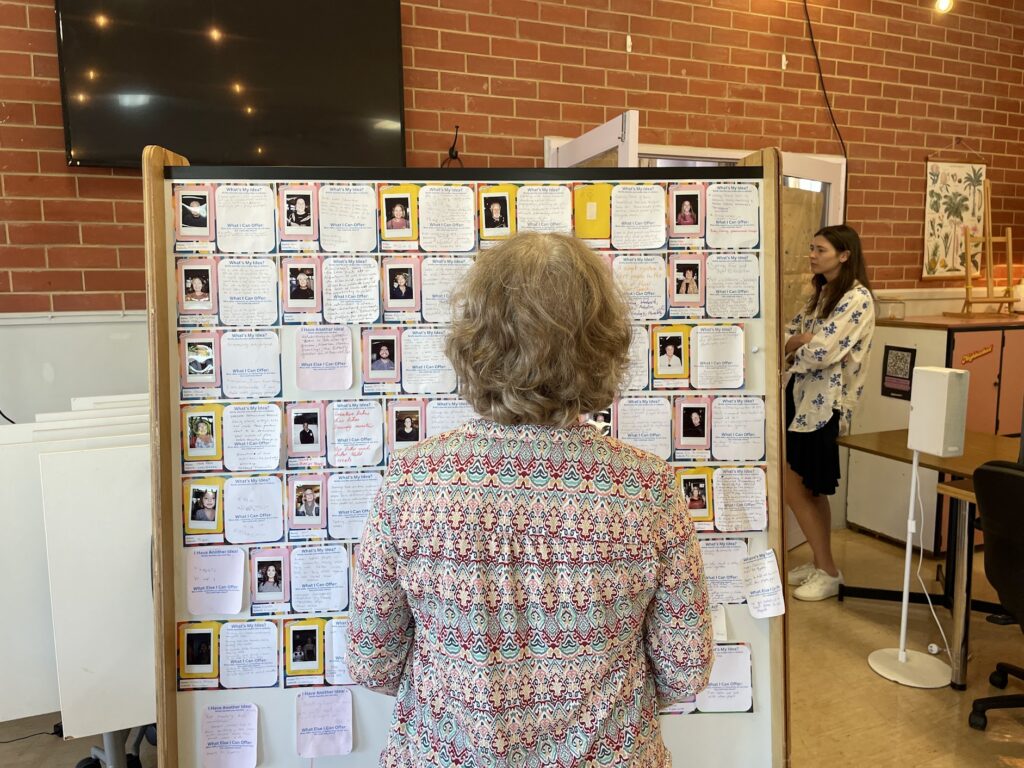
Ideas may be shared informally or through structured moments. At this stage, ideas are not expected to be fully formed. Curiosity, relevance, and local interest matter more than polish.
Ideas are shaped through conversation
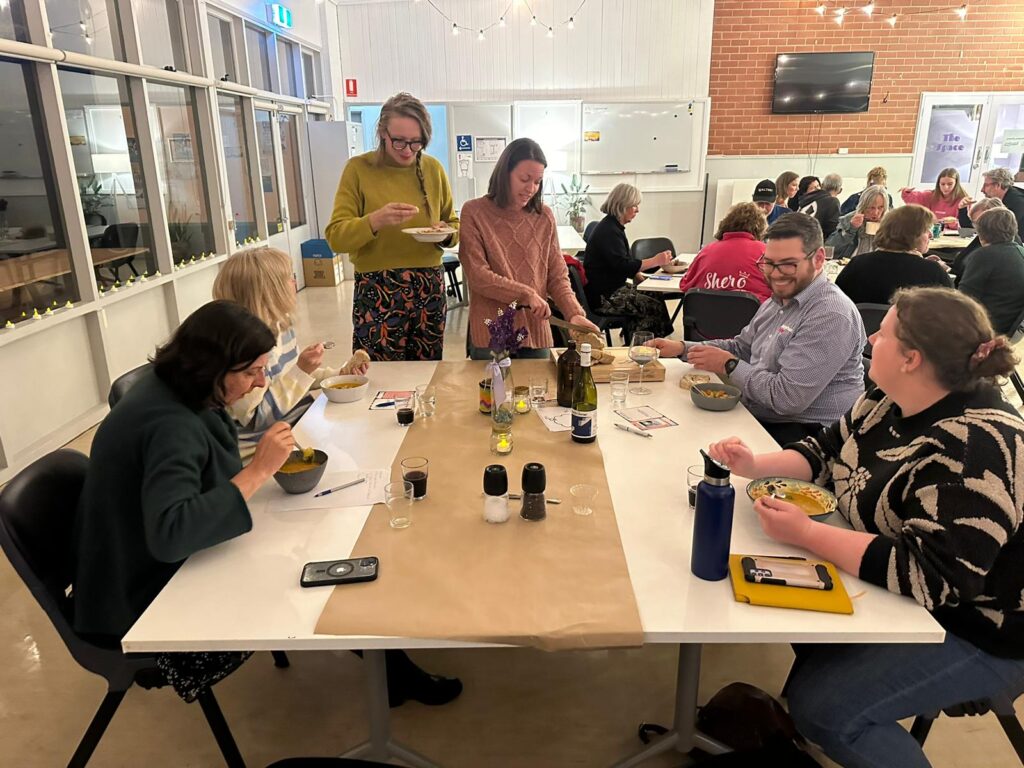
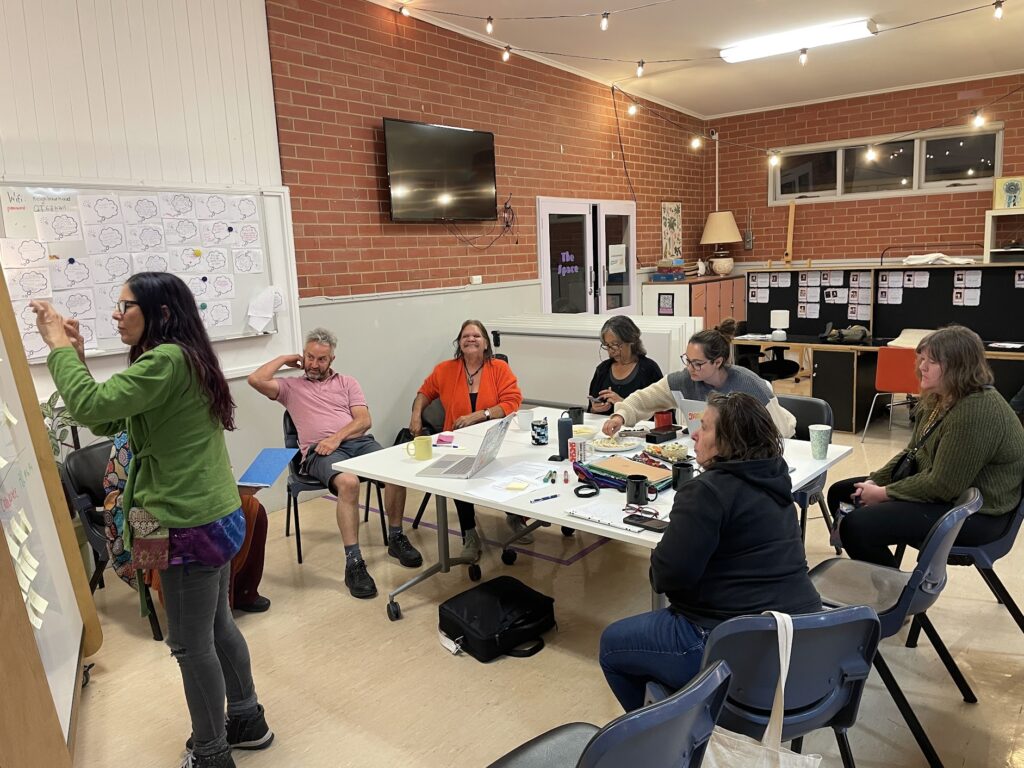
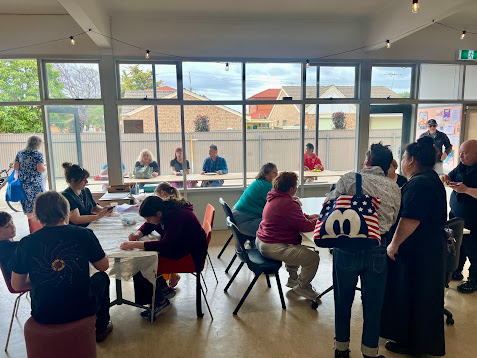
Before moving into action, ideas are explored through facilitated conversations. These sessions help clarify what the idea is really about, what it hopes to change or improve, and what kind of support might be useful. First just with the person who came up with the idea, then with others who are interested.
This stage focuses on reflection, creative thinking and opening up the idea rather than decision-making. It helps ideas become grounded, and realistic, while allowing people to test whether an idea is ready to move forward. People meet, energy builds. And what begun as one person’s thought becomes something shared.
Projects are supported into action
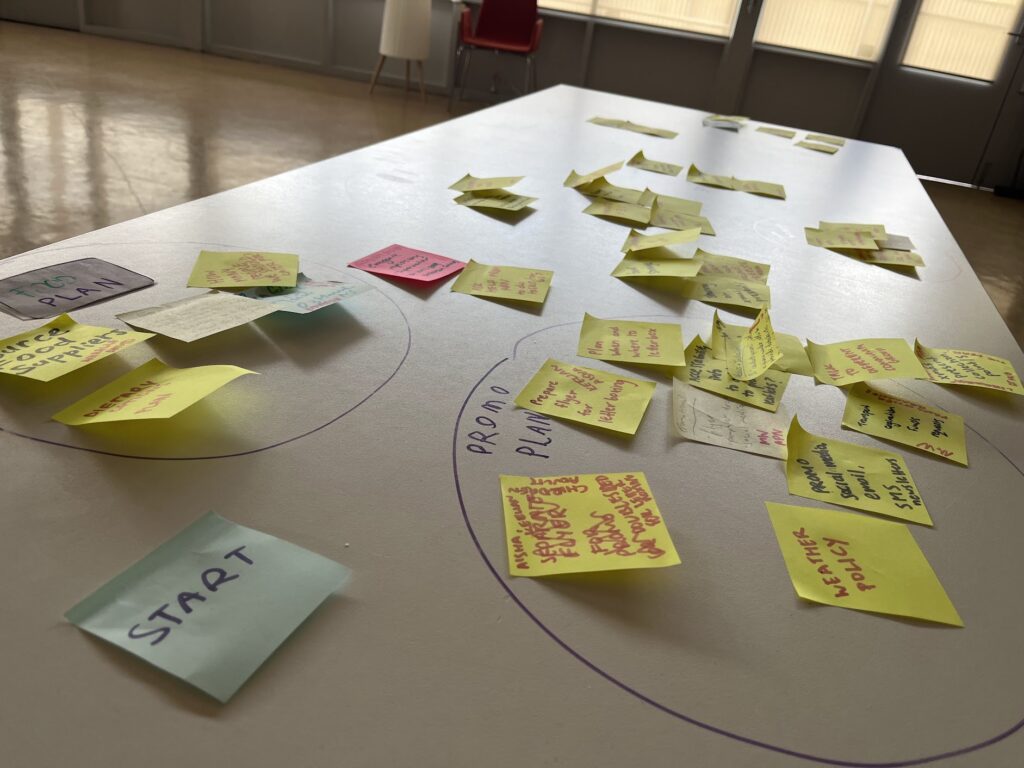
Once an idea is ready, it becomes a Minor Works: a collaborative project with a clear and achievable scope.
Projects may be supported through this stage by a volunteer Project Guide, who helps facilitate planning, learning, connecting and problem-solving. Support is practical and relational rather than directive, enabling people to take meaningful roles without needing prior experience.
The scale of projects is intentionally modest. This lowers risk, reduces pressure, and makes it easier for people to step in and participate.
Learning and momentum are carried forward
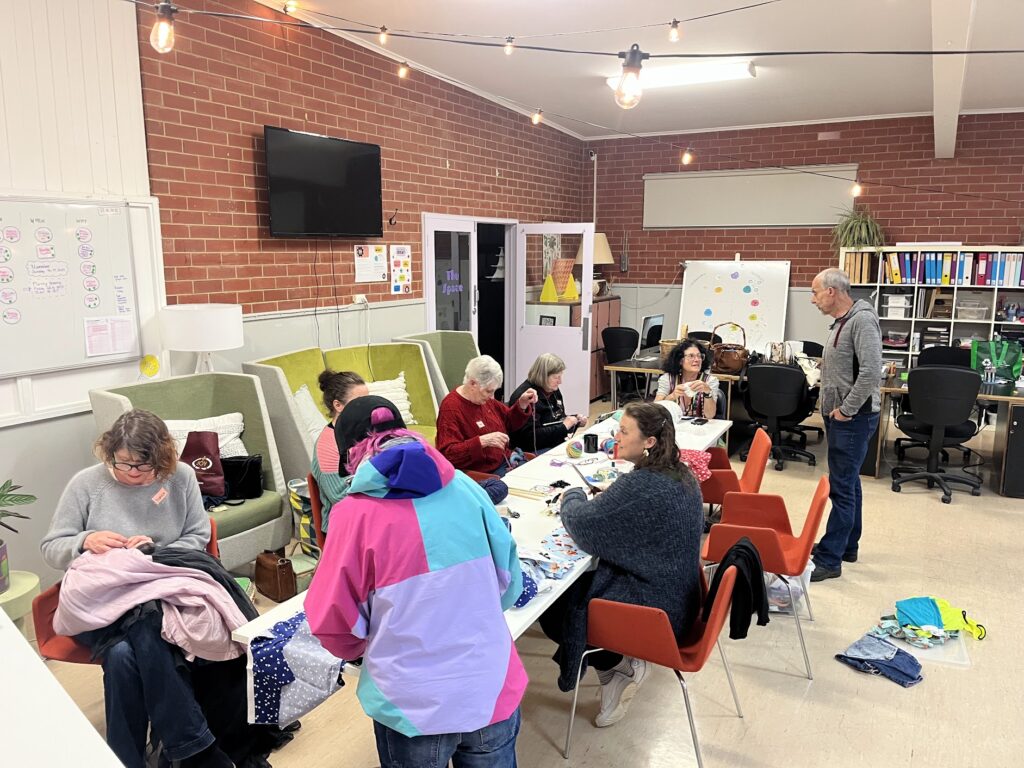
Completed projects are recognised, celebrated and shared, not only for what they produce, but for what they make possible next.
Ideas, skills, and relationships developed through one project often seed future work. Over time, this creates a growing base of experience and trust within the neighbourhood, making it easier for new ideas to emerge and be taken up.
In this way, Minor Works functions as both a project support mechanism and a long-term capacity-building approach.
Participation is treated as core infrastructure
Across all stages, participation is not a by-product but the central focus of the program.
Minor Works is designed to:
- reduce complexity and administrative burden
- create multiple entry points for involvement
- value lived experience alongside formal skills
- normalise collaboration and shared responsibility
- provide repeat opportunities to take part
Each project contributes not only to a tangible outcome, but to increased confidence, stronger relationships, and greater readiness for future collective action.
Foundations of the Minor Works Program
The following foundations underpin everything the program does:
Participation as infrastructure
Participation is central, not a side benefit. When people can meaningfully contribute and act together, confidence grows, relationships strengthen, and communities gain the capacity to shape their own future.
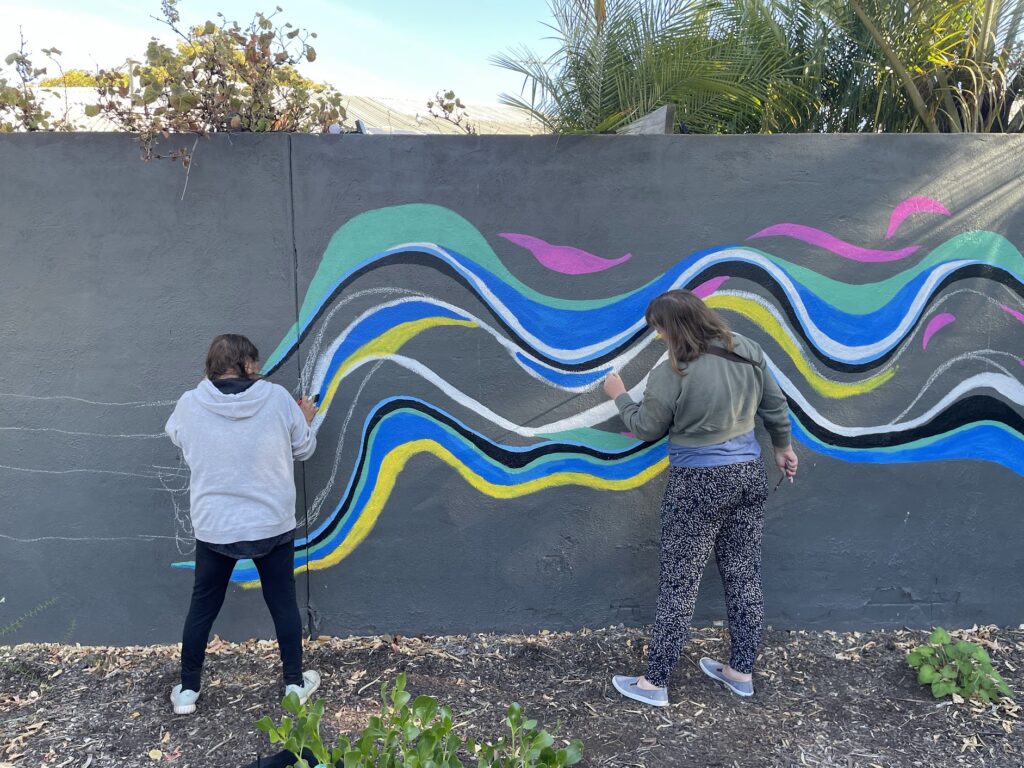
Small, achievable, people-led projects
Projects are intentionally modest in scale. Small, practical actions create momentum, build confidence, and make collaboration feel familiar. Each project contributes to both immediate outcomes and long-term neighbourhood capacity.
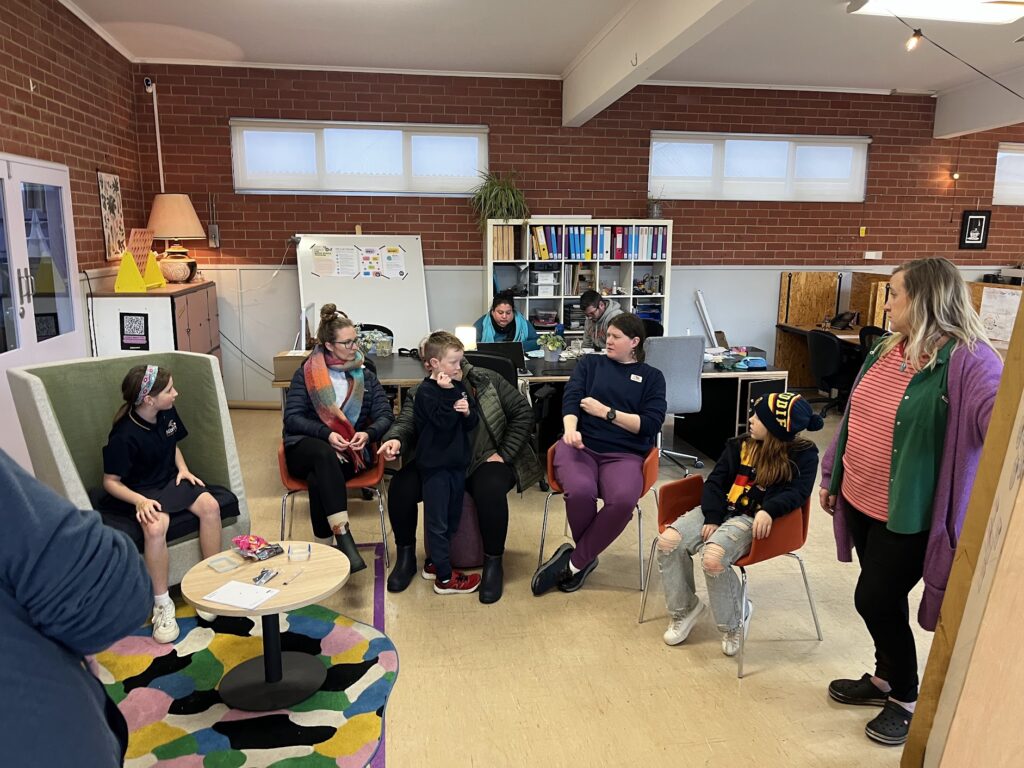
Inclusion and accessibility built in
Participation is made easier, not harder. Minor Works removes barriers related to experience, language, or confidence. Multiple ways to engage and contribute, flexible commitment, and ongoing adaptation ensure the program is welcoming to everyone.
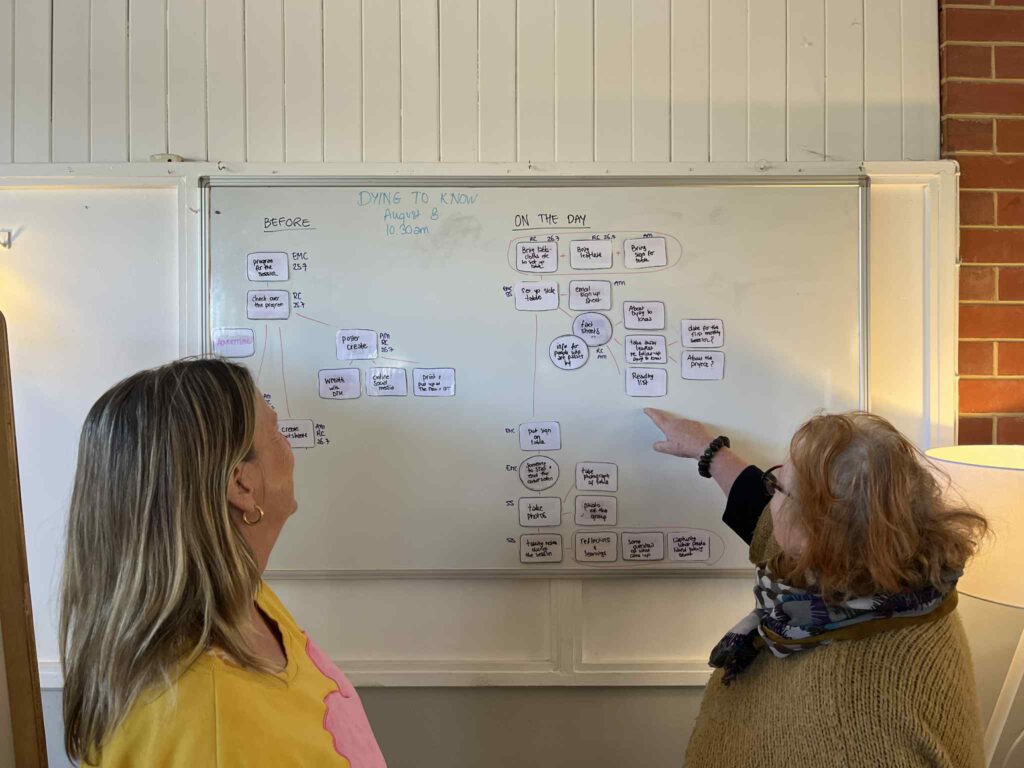
Supported, guided, and safe
Local volunteer Project Guides offer practical guidance and facilitation that encourages contribution. Training and resources for Project Guides focus on both project management and creating safe, inclusive spaces. Support ensures participation is structured, welcoming, and empowering.
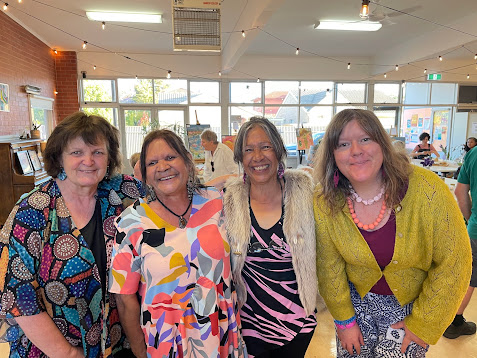
Collaboration and shared responsibility
Ideas are shaped collectively. Shared ownership and learning are central. Structured opportunities for reflection, conversation, and joint action help make collaboration normal, not exceptional.
Learning, reflection, and improvement
The program grows through observation and iteration: noticing who participates, reflecting on what works, and adjusting processes to be more inclusive and effective. Participation improves as confidence and experience accumulate.
Investing in long-term value: Socialannuation
Every project builds Socialannuation: the long-term value stored in relationships, trust, skills, and the ability to act together again. Small, people-led contributions accumulate over time, strengthening neighbourhoods and supporting ongoing participation.